
Liver research

We are fighting the rising global epidemic of fatty liver disease, tackling liver cancer and discovering new ways to diagnose liver cirrhosis.

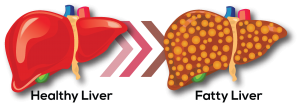
Fatty liver disease

Fatty liver disease affects one in four Australian adults—about six million people. The condition is common in veterans, particularly those with PTSD.

Without intervention, fatty liver disease can progress to serious complications, including liver cancer—the fastest-rising cause of cancer death in Australia. In advanced cases, liver transplant may be the only option.

GMR is pioneering earlier diagnosis and more effective treatments to improve patient outcomes.

Liver cirrhosis

If left untreated, fatty liver disease can progress to liver cirrhosis. In collaboration with Griffith University and fellow researcher Professor Chamindie Punyadeera, Professor Darrell Crawford’s research team have discovered salivary biomarkers of liver cirrhosis.

Liver cirrhosis can cause significant complications such as liver failure, portal hypertension, and an increased risk of liver cancer. The development of a simple saliva test could revolutionise the way cirrhosis is currently detected, especially in rural and Indigenous communities. Early identification of cirrhosis is critical to identify at-risk individuals who will benefit from further investigations to detect early liver cancer when curative therapies are more likely to be successful.

Liver cancer

Primary liver cancer, or hepatocellular carcinoma (HCC), has increased by 400% in Australia over the past 25 years. Late detection, limited treatment options and recurrence of the cancer due to therapy resistance are causing the global burden of liver cancer to rapidly increase.

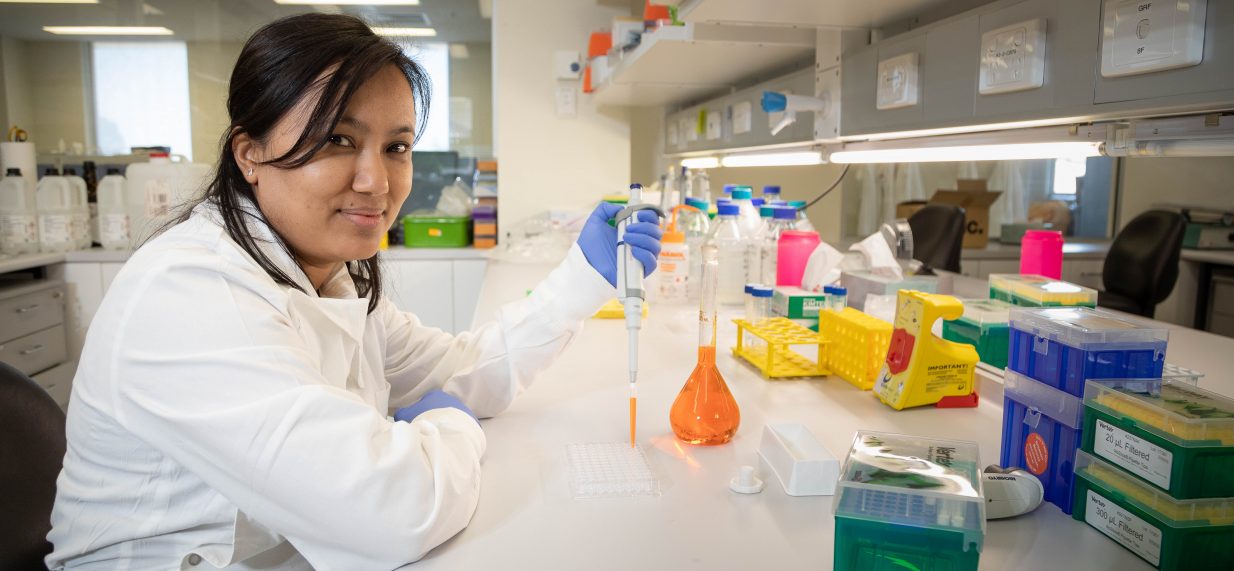
We’re focused on creating solutions to this health crisis through a ‘predict and prevent’ approach to research, and our liver researchers are progressing a number of key projects aimed at progressing from the laboratory bench to the hospital bedside and out into the community.

FAQs

While our researchers continue to pursue new treatments, the most effective way to support your liver today is through lifestyle changes.

    • Exercise regularly: a daily walk and gradual weight loss of 7% can significantly reduce fatty liver risk.
    • Adopt a Mediterranean diet: focus on fruits, vegetables, fish, whole grains, and healthy fats.
    • Drink alcohol in moderation: as per the NHMRC, no more than two standard drinks per day lowers health risks.
    • Speak with your GP: understanding your liver health empowers you to take control.

The liver is a vital organ responsible for more than 500 essential functions, including detoxification and bile production to aid fat digestion.

However, modern diets high in fat and sugar can place significant strain on the liver, increasing the risk of serious conditions like fatty liver disease and liver cancer. Supporting liver health is crucial to maintaining overall wellbeing.

Who we work with

We work closely with The University of Queensland, Griffith University and Ochsner Health (based in New Orleans, US) on our liver research.

Liver researchers

Liver research publications

We are a major worldwide and top recruiter for clinical trials.

Ethics and governance

We pride ourselves on conducting research and clinical trials responsibly, safely and ethically

Related news